
The Dance of Pollination: Nurturing Dori Kiwifruit through the Vital Stage
- Dori Kiwi Farmer

- Jan 18, 2024
- 2 min read

In the enchanting journey of cultivating Dori kiwifruit, one pivotal stage stands out—the pollination process. As these unique fruits come to life, understanding the intricacies of pollination becomes paramount for a successful harvest. In this blog, we'll delve into the fascinating world of Dori kiwifruit pollination, exploring the key players, methods, and tips to ensure this crucial stage is nurtured to perfection.
Understanding Dori Kiwifruit Pollination:
Unlike some fruit varieties that are self-pollinating, Dori kiwifruit relies on cross-pollination between male and female plants to set fruit. Dori kiwifruit plants are dioecious, meaning individual plants are either male or female. To ensure a thriving orchard and a bountiful harvest, it's essential to have a proper ratio of male to female plants.
Male and Female Plants:
Male plants produce pollen, which contains the male reproductive cells.
Female plants bear the ovaries, where the fruit develops once fertilized.
Timing is Everything:
Dori kiwifruit plants have a specific flowering window, usually in late spring or early summer, depending on the climate. It's crucial to understand the optimal time for pollination to maximize the chances of successful fruit set.
Pollination Methods:
Insect Pollination:
Dori kiwifruit relies heavily on insect pollinators, with bees playing a vital role. Honeybees are particularly effective in transferring pollen from male flowers to female flowers, facilitating the fertilization process.
Introducing Pollinator-Friendly Plants:
To attract and support pollinators, consider planting other flowering plants in the vicinity. This creates a pollinator-friendly environment, enhancing the chances of successful cross-pollination.
Hand Pollination:
In orchards where natural pollination might be challenging, especially due to unfavourable weather conditions, hand pollination can be employed. This involves manually transferring pollen from male flowers to female flowers using a small brush or cotton swab.
Tips for Successful Dori Kiwifruit Pollination:
Ensure a Balanced Ratio:
Maintain an appropriate ratio of male to female plants in the orchard. A general guideline is to have one male plant for every six to eight female plants.
Optimal Planting Layout:
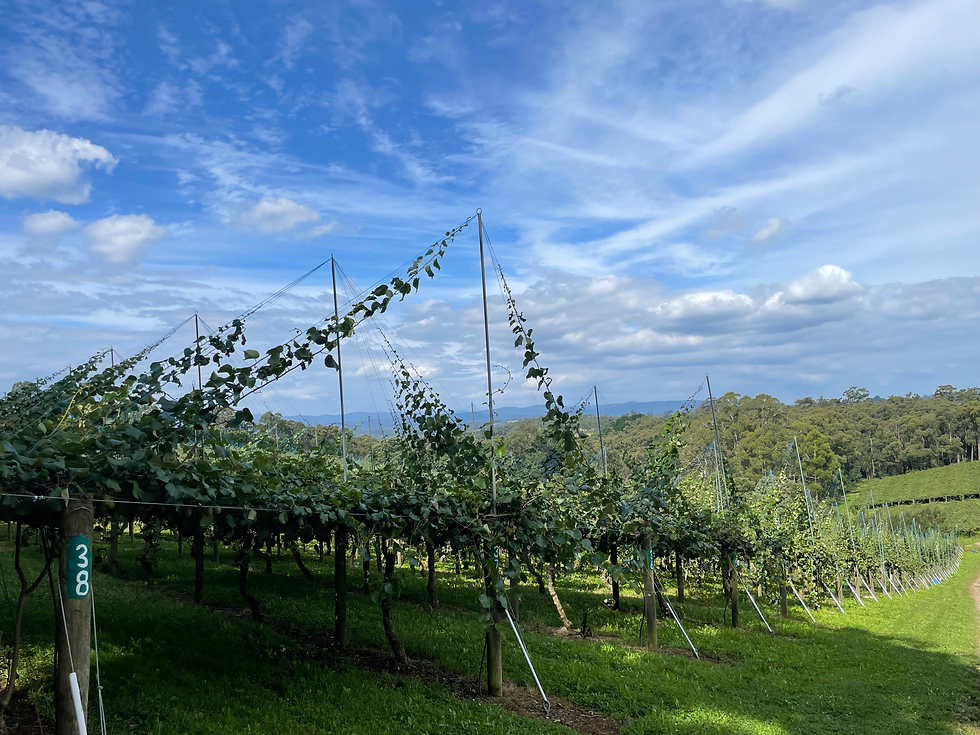
Plan the orchard layout strategically to encourage efficient pollination. Clustering male plants in the centre or along the perimeter helps ensure that their pollen is accessible to female flowers throughout the orchard.
Weather Monitoring:
Keep a close eye on weather conditions during the flowering period. Rainy or windy weather can hinder pollination, so having strategies in place to protect the blossoms during adverse conditions is essential.
Healthy Plants, Healthy Pollination:
Prioritize the overall health of the plants. Well-nourished, disease-free plants are more likely to produce abundant and healthy blossoms, optimizing the chances of successful pollination.
In the intricate dance of pollination, Dori kiwifruit reveals its dependence on a harmonious relationship between male and female plants, guided by the diligent work of pollinators. By understanding the nuances of this vital stage, growers can take proactive measures to foster a thriving pollination process, ultimately leading to a robust and fruitful harvest of these delightful kiwifruits. Embrace the rhythm of nature, support your pollinators, and savour the satisfaction of nurturing Dori kiwifruit from flower to fruition.

Comments